
General soreness
Several body areas may feel tender or heavy without one clear injury.
Aches and pains
Widespread soreness and stiffness can overlap with menopause, poor sleep, medicines, and medical conditions. It should not be dismissed as aging.
Widespread muscle soreness, stiffness, cramps, or a lower tolerance for activity may feel different from pain isolated to one joint.
Several body areas may feel tender or heavy without one clear injury.
A familiar workout, workday, or household task may leave more pain and longer recovery.
Pain can interrupt sleep, and poor sleep can make the nervous system more sensitive to pain.
Sleep, activity change, medicines, thyroid disease, inflammatory conditions, fibromyalgia, infection, and neurologic problems can overlap with menopause symptoms.
Location, stiffness, swelling, weakness, and response to movement help define the source.
Sleep loss, thyroid disease, some medicines, infection, and inflammatory conditions can cause diffuse pain.
Persistent pain can involve changes in how the nervous system processes signals, especially with poor sleep and stress.
A plan may combine a medical review with graded strength, mobility, recovery, sleep, and condition-specific care.
Pain locations, weakness, sleep, activity, medicines, mood, and associated symptoms.
The pattern identifies red flags and guides targeted examination or testing.
Progressive strength, mobility, pacing, recovery, and physical therapy when indicated.
A graded plan supports capacity without treating all pain as damage.
Sleep care, medicine changes, thyroid or inflammatory treatment, or pain-specialty referral.
Cause-specific care is more useful than generic supplements or a single menopause explanation.
Clinical care, built around the whole picture
Our clinicians connect sleep, movement, medicines, menopause symptoms, and medical causes so care is grounded in what your body is actually showing.
Timing, location, triggers, medicines, health history, and daily impact help separate overlapping symptoms.
We consider menopause without overlooking medical, neurologic, inflammatory, sleep, or medication-related causes.
Your plan may begin virtually and include targeted testing, physical therapy, or specialty evaluation when needed.
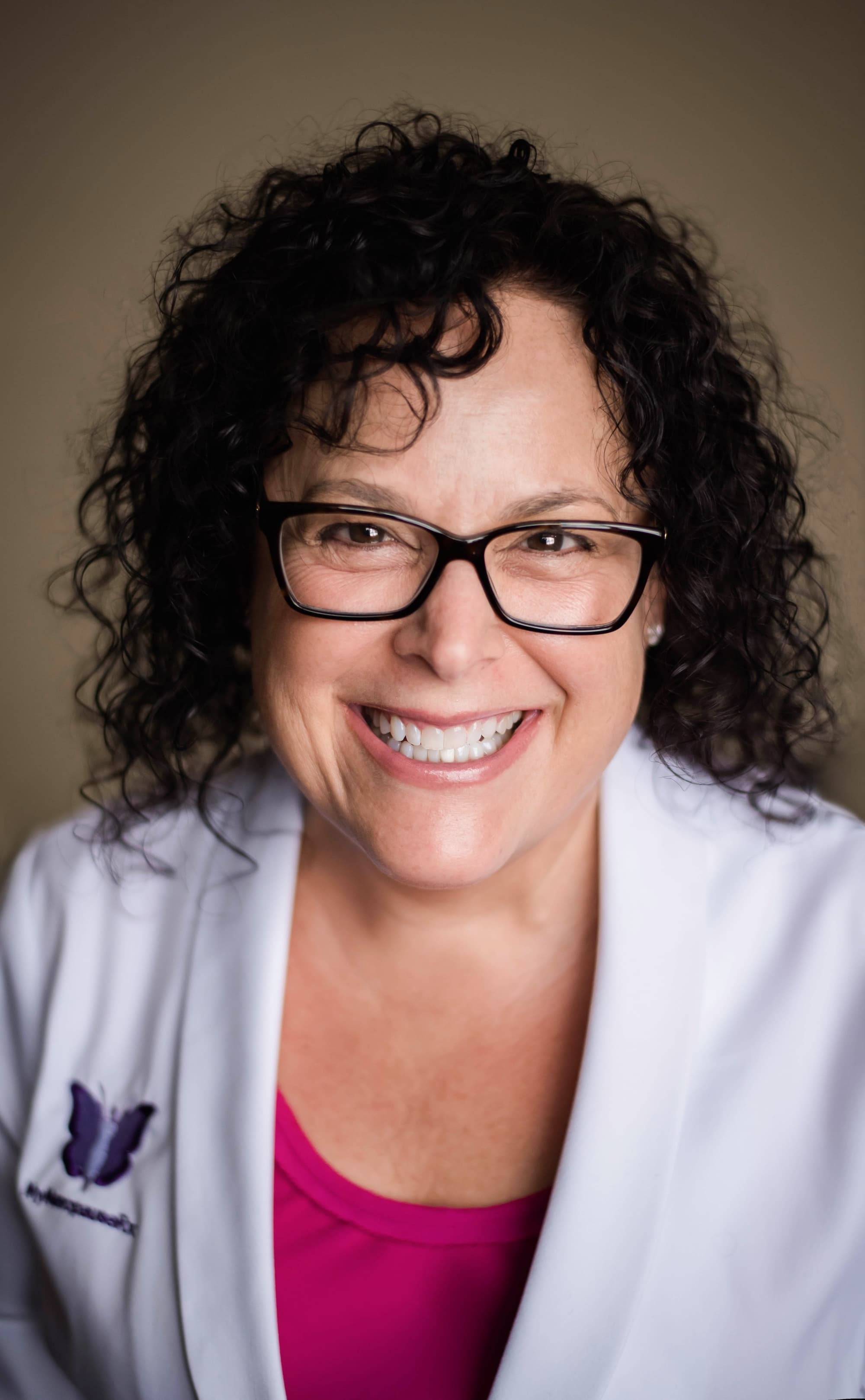
Clinical leadership
Barbra Hanna, DO, FACOG, MSCP
Founder, board-certified OB/GYN, Menopause Society Certified Practitioner
Meet the care teamMeet virtually with a menopause specialist to review widespread pain and choose the right evaluation and support.
Choose a specialist and a time.
Talk securely by video.
Receive your personalized plan.







Coverage varies by plan and location. Not currently accepting Medicare, Medicaid, or HMO plans.