
More time or stimulation
The response that once worked may take longer or need a different kind of touch or stimulation.
Difficulty reaching orgasm
Orgasm may take longer, feel less intense, or become harder to reach. Care starts with what changed and whether it bothers you.
Orgasm may take longer, feel less intense, happen less often, or become difficult to reach. There is no required frequency or sexual response to meet.
Notice what changed, when it happens, and what makes it better or worse. Those details help guide care.
The response that once worked may take longer or need a different kind of touch or stimulation.
Orgasm may still happen but feel shorter, less distinct, or less satisfying than before.
Arousal may build and then fade, especially when pain, dryness, stress, or distraction is present.
Comfort, arousal, pelvic-floor function, nerve health, mood, medicines, relationships, and hormonal tissue changes can all affect sexual response.
Dryness, pain, reduced blood flow, or not having enough time for arousal can interrupt the path to orgasm.
Some antidepressants and other medicines, diabetes, neurologic conditions, and pelvic surgery can change sensation or response.
Stress, mood, body image, relationship dynamics, and whether the change is distressing help define the goal of care.
Care is most useful when it addresses the specific physical, medication, emotional, or relationship contributors in your experience.
Arousal, sensation, comfort, medicines, health conditions, and what matters to you.
There is no need to pursue treatment unless the change is unwanted or distressing.
Dryness or pain care, medication review, pelvic-floor therapy, and management of health or mood conditions.
Removing a barrier may be more useful than treating orgasm as an isolated symptom.
Sex therapy, counseling, pelvic-floor care, or gynecologic and neurologic referral.
Specialty support can help when the cause is complex or the first steps do not restore comfort and response.
Clinical care, built around the whole picture
We make room for an honest conversation, review the full set of contributors, and build care around your comfort and goals without judgment.
Your pattern, health history, medicines, goals, and concerns shape the evaluation.
We consider menopause alongside other causes and explain when an exam, testing, or local care is needed.
Virtual care can begin the review, guide treatment choices, and make the right referral when hands-on care matters.
Clinical leadership
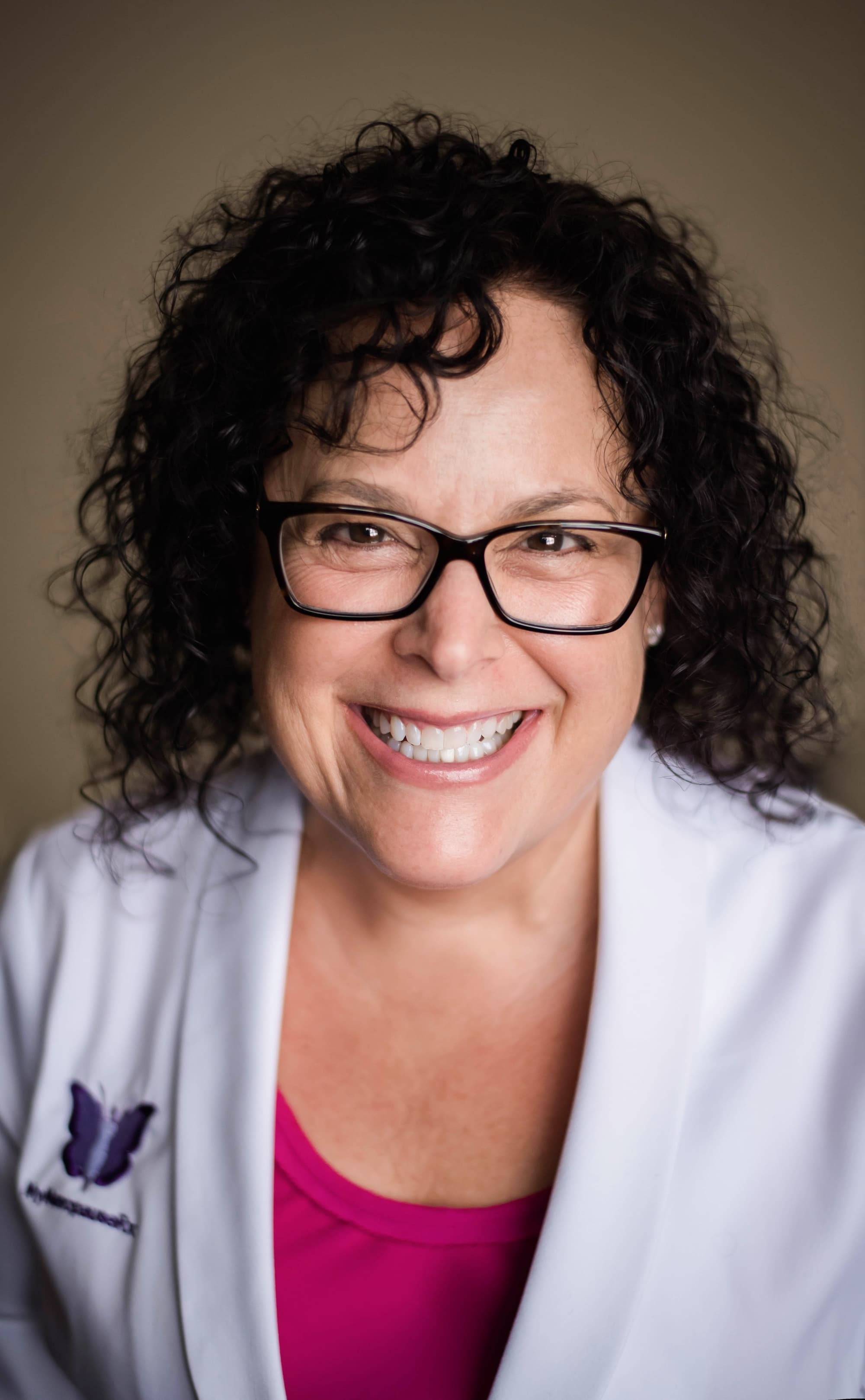
Barbra Hanna, DO, FACOG, MSCP
Founder, board-certified OB/GYN, Menopause Society Certified Practitioner
Meet the care teamMeet virtually with a menopause specialist who will listen, review possible contributors, and help you choose the next step.
Choose a specialist and a time.
Talk securely by video.
Receive your personalized plan.







Coverage varies by plan and location. Not currently accepting Medicare, Medicaid, or HMO plans.