
A lower emotional threshold
A comment, task, or minor setback may bring tears much faster than it once did.
Feeling tearful
Unexpected tears may come with stress, exhaustion, hormonal change, anxiety, or depression. The pattern and its impact matter.
Crying more easily or unexpectedly can be a transient mood change, a response to stress and exhaustion, or part of depression.
A comment, task, or minor setback may bring tears much faster than it once did.
Crying may not release the tension and can leave you depleted or embarrassed.
Tearfulness may come with hopelessness, withdrawal, low energy, guilt, or loss of interest.
Its meaning depends on duration, triggers, sleep, stress, menopause symptoms, anxiety, depression, and how well you can function.
Caregiving, work, poor sleep, and physical symptoms can reduce emotional reserve.
Anxiety and depression can include tearfulness, especially when it persists with other symptoms.
Mood shifts may cluster with cycle changes or vasomotor symptoms, but timing alone does not establish the cause.
The right care depends on whether the tears reflect a transient strain, anxiety, depression, sleep loss, or overlapping menopause symptoms.
Duration, triggers, mood symptoms, sleep, stress, medicines, and daily function.
The larger pattern determines whether mental-health treatment is needed.
Psychotherapy, practical support, and medication when appropriate.
Mental-health care can help when tearfulness is persistent or part of anxiety or depression.
Care for sleep, hot flashes, pain, and other symptoms that are draining your reserve.
Menopause care can support recovery while mood symptoms receive direct attention.
Clinical care, built around the whole picture
Our clinicians review mood, safety, stress, sleep, and physical symptoms without dismissing the change as ordinary aging.
We listen for timing, intensity, daily impact, sleep, medicines, health history, and safety concerns.
Menopause symptoms can add strain, but anxiety, depression, medical conditions, and life circumstances deserve their own evaluation.
We treat menopause contributors and guide mental-health or urgent support when that is the care you need.
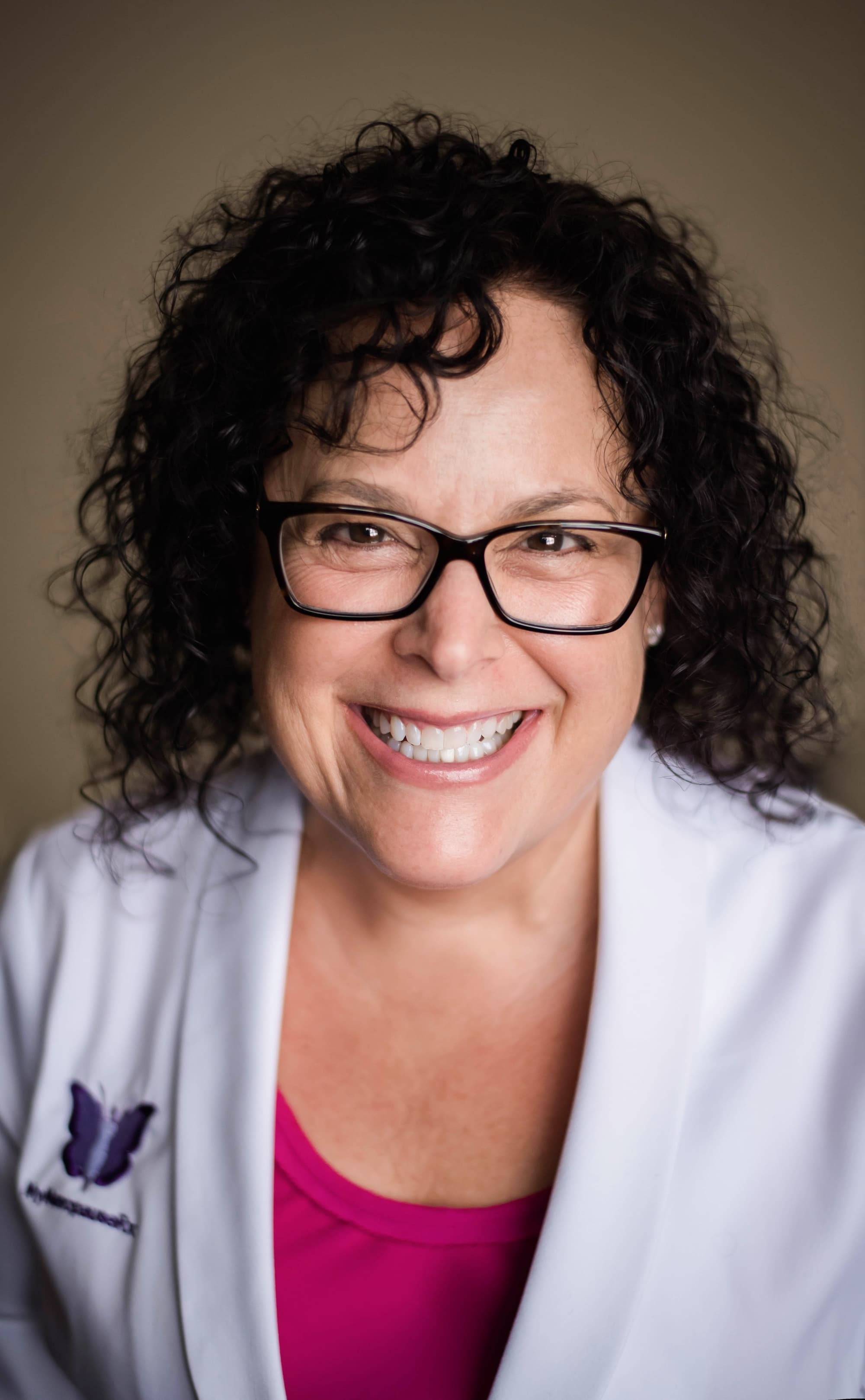
Clinical leadership
Barbra Hanna, DO, FACOG, MSCP
Founder, board-certified OB/GYN, Menopause Society Certified Practitioner
Meet the care teamMeet virtually with a menopause specialist to talk through the pattern and find the right support.
Choose a specialist and a time.
Talk securely by video.
Receive your personalized plan.







Coverage varies by plan and location. Not currently accepting Medicare, Medicaid, or HMO plans.