
Gradual thinning
The part may widen and density at the crown may slowly decrease.
Hair thinning
A widening part, more shedding, or patchy loss can come from different conditions. The pattern should guide treatment.
A widening part, thinner ponytail, increased shedding, or patchy loss are different patterns with different causes.
The part may widen and density at the crown may slowly decrease.
More hair may appear in the shower, brush, or on clothing after stress, illness, weight change, or medication changes.
Distinct patches, scalp pain, redness, scale, or scarring suggests a different process needing prompt dermatologic review.
Hereditary loss, thyroid disease, iron deficiency, illness, stress, medicines, autoimmune disease, and scarring scalp conditions can cause thinning.
Diffuse shedding, patterned crown thinning, and isolated patches point toward different diagnoses.
Illness, surgery, rapid weight change, major stress, and medicine changes can trigger shedding months later.
Itch, pain, scale, scarring, fatigue, heavy bleeding, or thyroid symptoms can guide examination and testing.
Evidence-based care depends on whether the cause is patterned loss, shedding, inflammation, deficiency, medicine effect, or another condition.
Scalp and hair examination, timeline, family history, medicines, illness, and menstrual blood loss.
The pattern determines whether testing or a scalp biopsy is useful.
Thyroid, iron, or other laboratory testing when history supports it.
Vitamins and supplements should not replace testing or be used without a documented need.
Topical or oral dermatologic treatment, scalp care, or specialist therapy.
Benefits, risks, monitoring, and realistic timelines differ by diagnosis.
Clinical care, built around the whole picture
Our clinicians review the pattern, health history, medicines, bleeding, and scalp signs so you can reach the right testing or dermatologic care.
We review timing, triggers, medicines, associated symptoms, health history, and what has changed.
Menopause may overlap, but we keep gastrointestinal, cardiac, dermatologic, neurologic, oral, and eye conditions visible.
We explain what virtual care can address and when testing or an in-person specialist is the safer path.
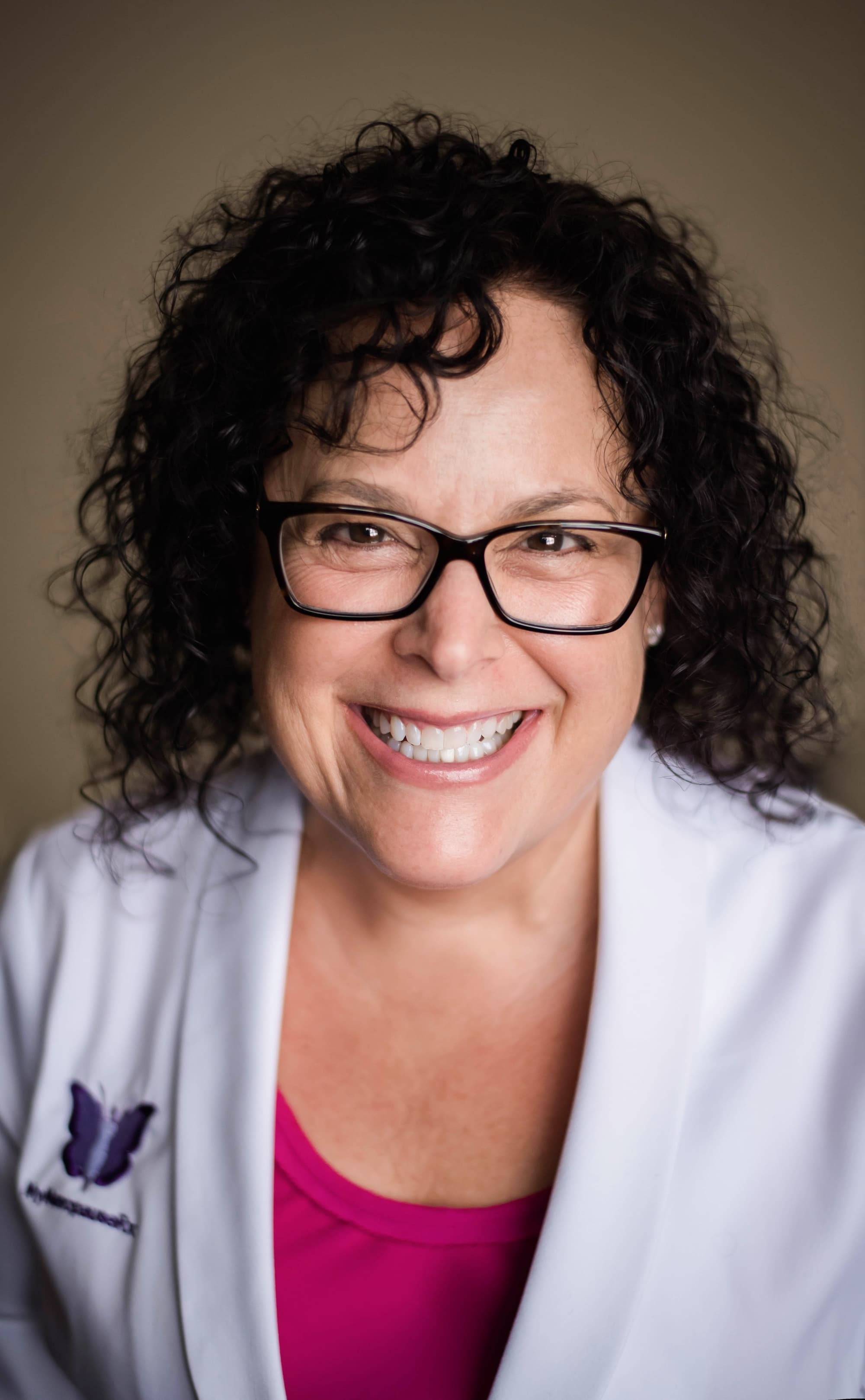
Clinical leadership
Barbra Hanna, DO, FACOG, MSCP
Founder, board-certified OB/GYN, Menopause Society Certified Practitioner
Meet the care teamMeet virtually with a menopause specialist to review hair changes and the right medical or dermatologic next step.
Choose a specialist and a time.
Talk securely by video.
Receive your personalized plan.







Coverage varies by plan and location. Not currently accepting Medicare, Medicaid, or HMO plans.