
Less spontaneous interest
You may think about sex less often or rarely feel the urge to initiate it.
Low sex drive
Sexual desire is personal. The right care starts with what has changed and what matters to you.
There is no correct amount of sexual interest. A change matters when it bothers you or affects your well-being or relationship.
Notice what changed, when it happens, and what makes it better or worse. Those details help guide care.
You may think about sex less often or rarely feel the urge to initiate it.
Interest may appear only after intimacy begins, or physical arousal may feel slower than before.
Pain, dryness, poor sleep, low mood, stress, or body-image concerns can make sex feel less appealing.
Sexual desire reflects physical comfort, energy, mood, health, medicines, relationship context, past interest, and hormonal changes.
Painful sex, vaginal dryness, hot flashes, and broken sleep can push sexual interest aside.
Depression, anxiety, stress, health conditions, and some medicines can affect desire or arousal.
Connection, communication, partner health, and major life changes can shape sexual interest at midlife.
Effective care often begins by treating pain, sleep, mood, medication effects, or relationship strain before deciding whether a prescription fits.
Treatment for pain, dryness, sleep, mood, or health conditions.
Removing a physical or emotional barrier may make desire easier to access.
Education, counseling, sex therapy, or couples support.
Specialized support can help with communication, arousal, body image, and relationship factors.
Carefully selected therapy after a full clinical assessment.
Available options differ by menopause stage and health history. Benefits, side effects, monitoring, and regulatory status matter.
MyMenopauseRx patient outcomes
74%Improvement among patients who initially rated sexual-health and comfort symptoms as severe. Based on validated questionnaire data from more than 1,500 MyMenopauseRx patients who initially rated symptoms as severe.
Results describe surveyed patient outcomes and do not guarantee an individual result.
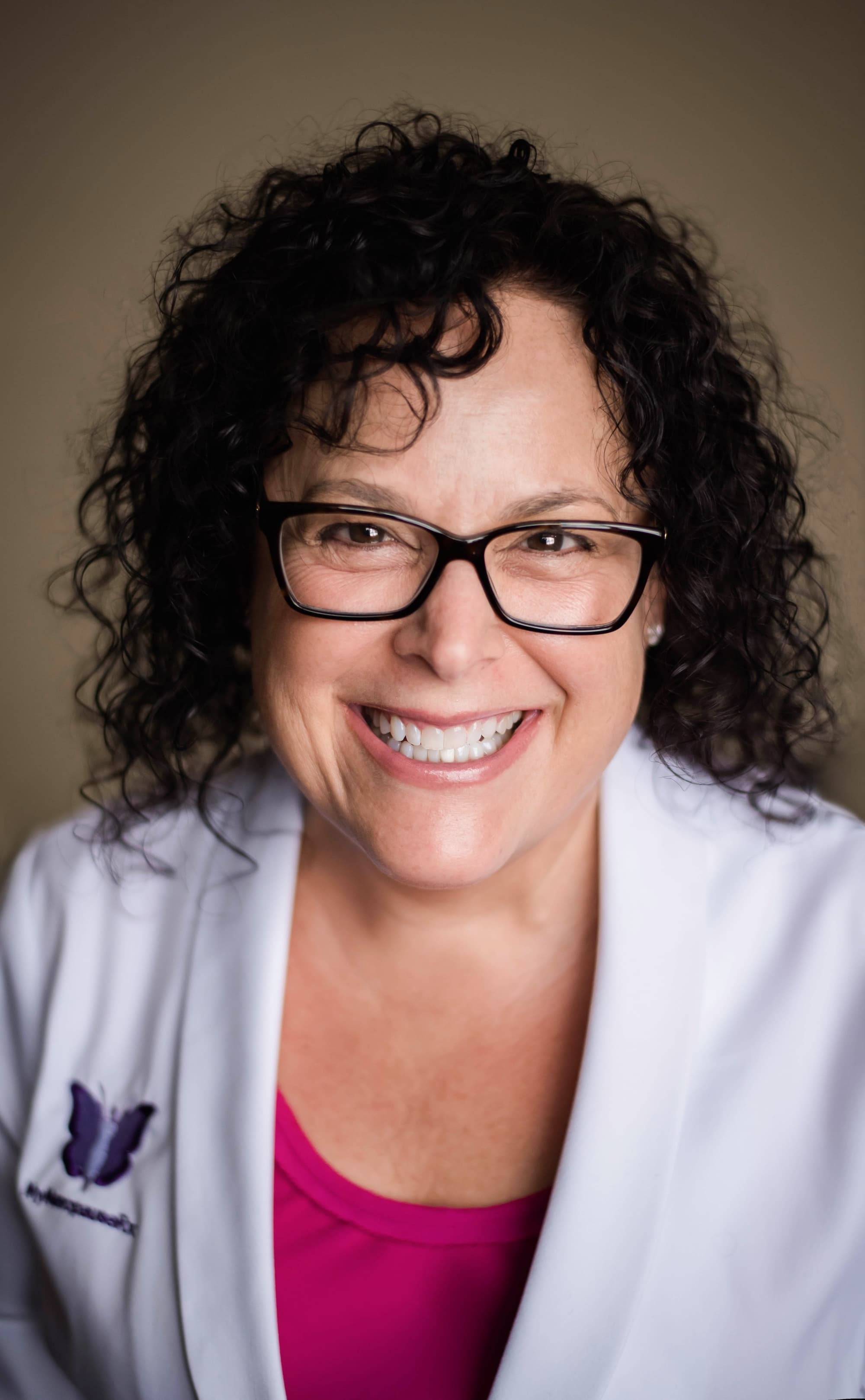
Clinical leadership
Barbra Hanna, DO, FACOG, MSCP
Founder, board-certified OB/GYN, Menopause Society Certified Practitioner
Meet the care teamMeet virtually with a menopause specialist who will review the full picture and build care around your goals.
Choose a specialist and a time.
Talk securely by video.
Receive your personalized plan.







Coverage varies by plan and location. Not currently accepting Medicare, Medicaid, or HMO plans.