
A changing waistline
Fat distribution may shift toward the abdomen even when total weight changes only modestly.
Weight gain
Make sense of midlife weight changes without blame, shortcuts, or one-size-fits-all advice.
Midlife can affect where your body stores fat, how much muscle you carry, and how familiar routines feel.
Notice what changed, when it happens, and what makes it better or worse. Those details help guide care.
Fat distribution may shift toward the abdomen even when total weight changes only modestly.
Muscle mass tends to decline with age, which can change strength, body composition, and energy needs.
Sleep, activity, medicines, stress, and metabolic health can change how your body responds.
Hormone changes may influence fat distribution, while aging, muscle loss, sleep, activity, nutrition, medicines, and health conditions also matter.
Changes in estrogen and aging can affect where fat is stored and how easily muscle is maintained.
Poor sleep, stress, lower activity, and loss of muscle can all affect weight over time.
Blood pressure, blood sugar, cholesterol, thyroid health, and medications may shape next steps.
The goal is sustainable health support, not a crash diet or a promise that one hormone will change the scale.
Symptoms, sleep, medicines, vital signs, and metabolic risk.
A clinician can identify factors that deserve treatment or additional testing.
Adequate protein, sustainable eating patterns, aerobic activity, and resistance training.
The plan should protect muscle, support cardiometabolic health, and fit your life.
Evidence-based weight treatment when clinically appropriate.
Eligibility, benefits, risks, cost, and monitoring should be reviewed together. Hormone therapy is not a weight-loss treatment.
MyMenopauseRx patient outcomes
94%This overall result is not a weight-loss outcome and does not measure pounds lost. Based on validated questionnaire data from more than 1,500 MyMenopauseRx patients who initially rated symptoms as severe.
Results describe surveyed patient outcomes and do not guarantee an individual result.
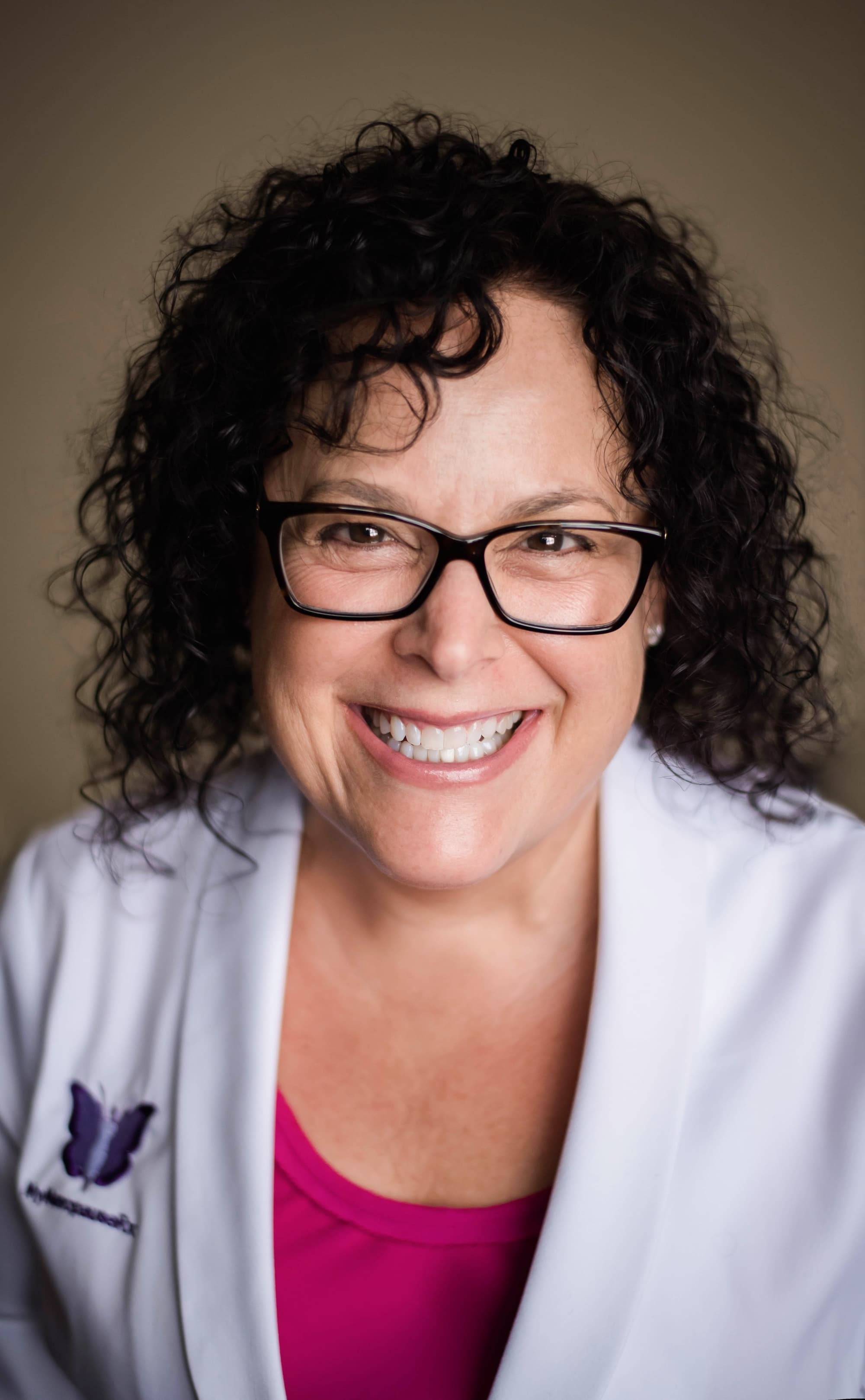
Clinical leadership
Barbra Hanna, DO, FACOG, MSCP
Founder, board-certified OB/GYN, Menopause Society Certified Practitioner
Meet the care teamMeet virtually with a menopause specialist who can review body changes alongside sleep, symptoms, medicines, and metabolic health.
Choose a specialist and a time.
Talk securely by video.
Receive your personalized plan.







Coverage varies by plan and location. Not currently accepting Medicare, Medicaid, or HMO plans.