
Hair thinning
A widening part, a smaller ponytail, gradual thinning, or increased shedding.
Explore this symptomHair and skin care
Hair thinning and changing skin can be visible reminders that something feels different. Start with the pattern, your health history, and evidence-based next steps.

You may be noticing
The American Academy of Dermatology notes that hair loss has many causes, and treatment depends on the diagnosis. Menopause can also coincide with drier, thinner skin and changes in scalp or facial hair.
A widening part, a smaller ponytail, gradual thinning, or increased shedding.
Explore this symptomSkin that feels drier, more sensitive, itchy, or less able to hold moisture.
Explore this symptomHair or skin changes alongside low energy, bleeding changes, or other symptoms that may justify broader evaluation.
Explore this symptomVisible changes that affect confidence or add to the sense that your body has shifted.
Explore this symptomWhat a specialist considers
A history can help distinguish gradual patterned thinning from sudden shedding or warning signs that need a dermatologist. Virtual care cannot replace a scalp or skin examination when one is needed.
Gradual thinning, widening part, sudden shedding, patches, scalp symptoms, eyebrow loss, and when the change began.
Menstrual stage, recent illness or stress, nutrition, medicines, family history, and symptoms that may point to another cause.
Dryness, irritation, sun exposure, current products, sensitivity, and the specific outcome you want to address.
Patchy, painful, inflamed, scarring, or rapidly progressive hair loss and concerning skin changes need in-person dermatologic evaluation.
Care may include
Hair growth is slow, and many products make claims that outpace the evidence. A clinician can help separate reasonable options from expensive guesswork and identify when specialty care is needed.
Topical minoxidil is FDA-approved for female-pattern hair loss. Other treatments may be considered or referred based on diagnosis, pregnancy potential, health history, and monitoring needs.
History and symptoms may support laboratory review or referral when shedding could relate to iron status, thyroid disease, medicine effects, inflammation, or another cause.
Gentle cleansing, moisturizing, daily broad-spectrum sun protection, and avoiding irritating products form the foundation of healthy midlife skin care.
A dermatologist is best equipped to examine uncertain hair-loss patterns, scalp disease, changing lesions, or skin symptoms that need procedures or biopsy.
Your visit, step by step
STEP 1
Share the symptoms, questions, and health priorities that brought you in.
STEP 2
Your clinician considers history, medicines, prior care, and available records.
STEP 3
Discuss reasonable next steps, including benefits, risks, limits, and alternatives.
STEP 4
Your next step may include treatment, testing, follow-up, or coordinated in-person care.
Learn from our clinicians
Our clinical library explains common hair and skin questions, including what treatment evidence can and cannot tell you.
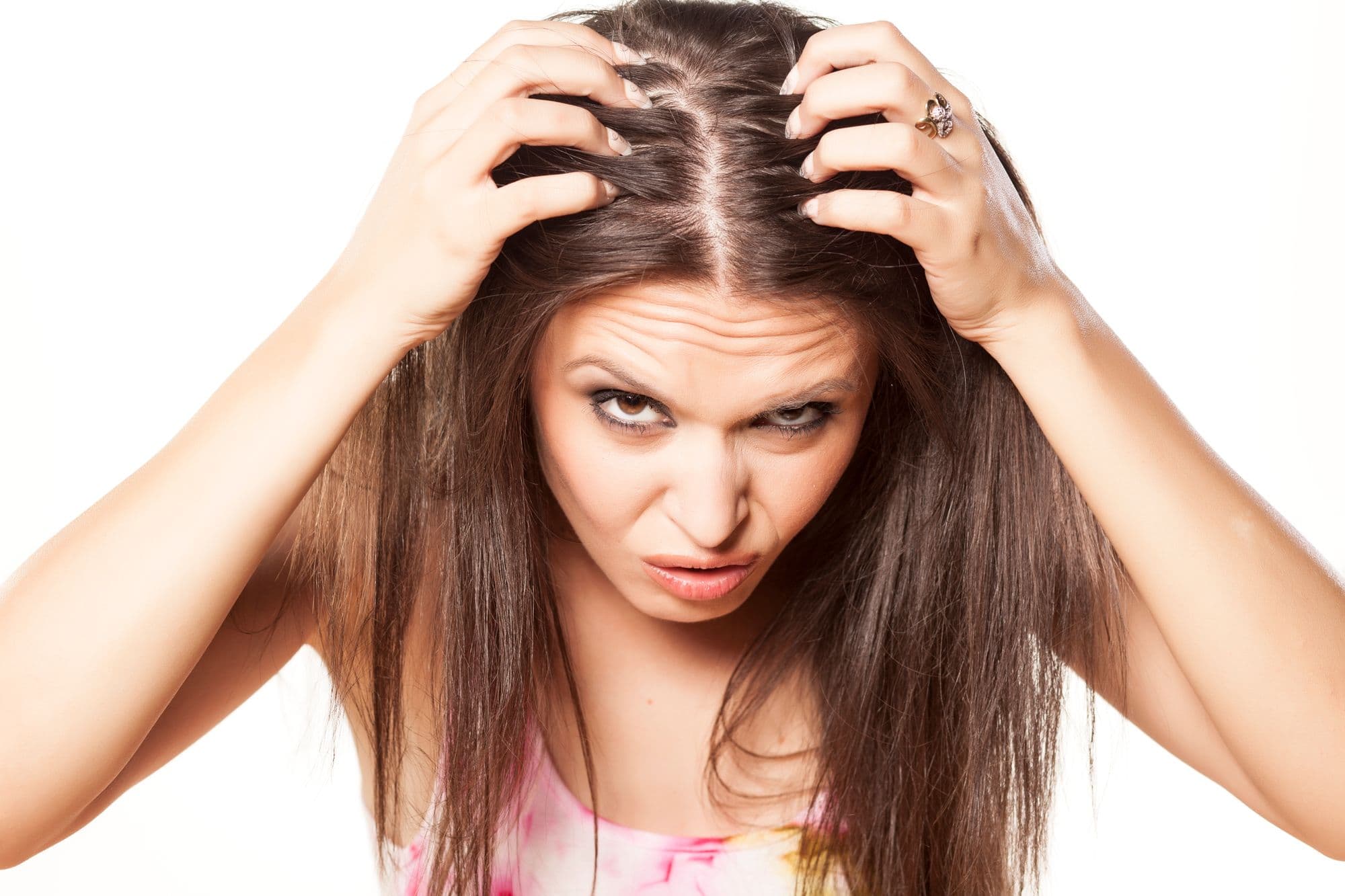
From our clinical library
Female pattern hair loss is the most common type of hair loss in women and hormones definitely can play a role.
Read article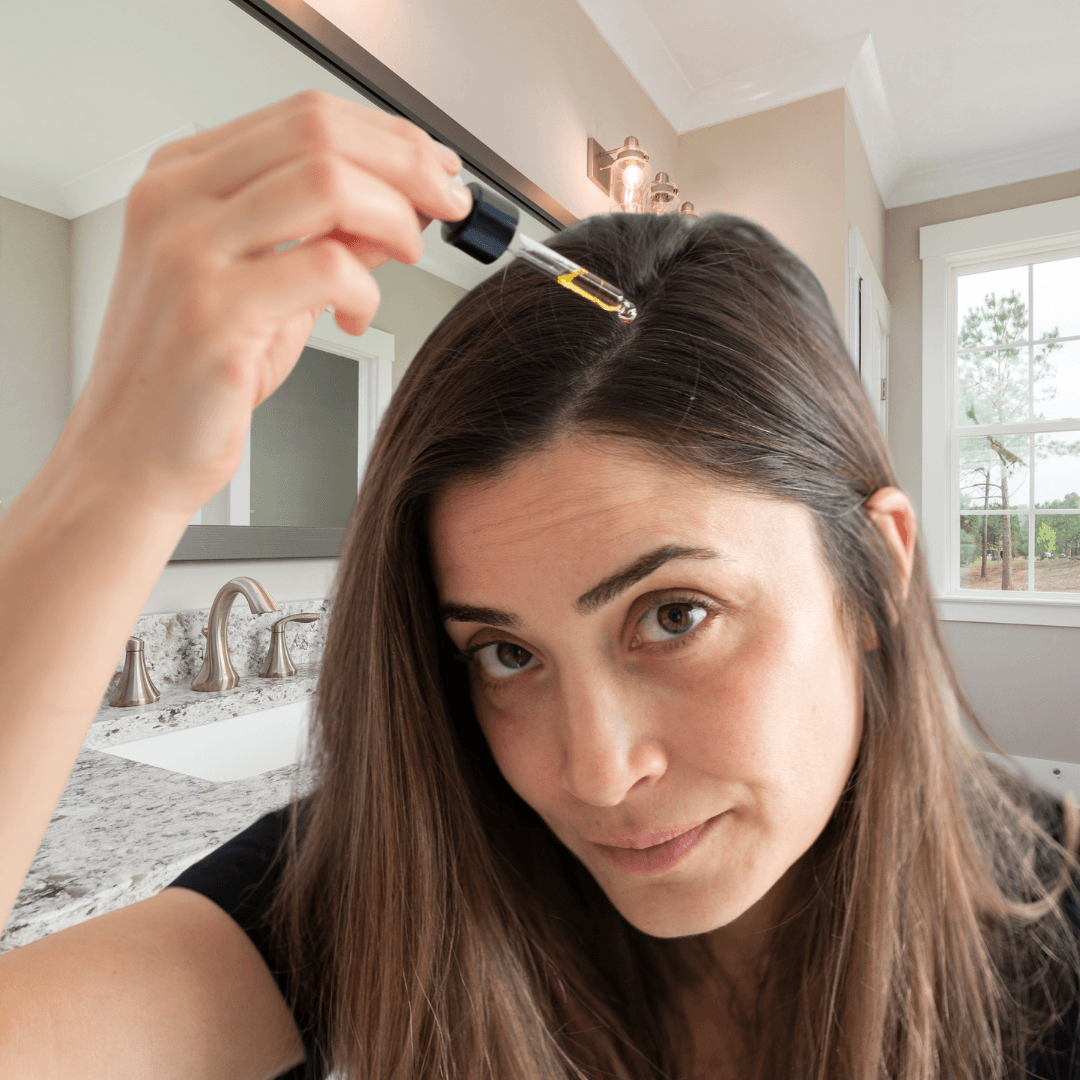
From our clinical library
I’ve got the scoop on two popular hair loss treatments: oral minoxidil and compounded hair serums. Together let's dive in and figure out what’s worth your time, money, and peace of mind.
Read article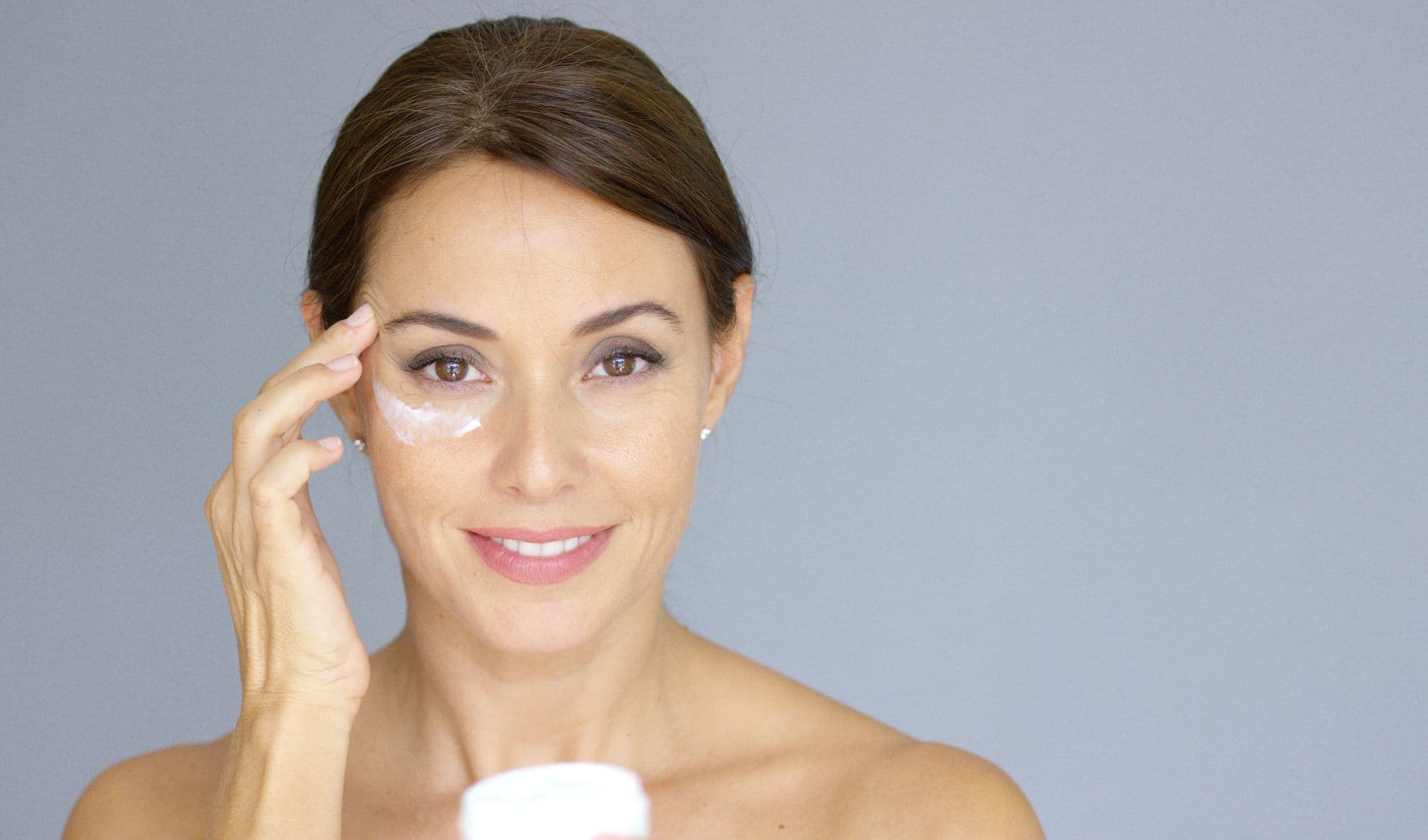
From our clinical library
Estrogen matters to your skin. Adding prescription tretinoin - the dermatologist's gold standard- can help you prevent unwanted changes in peri/menopause.
Read articleFurther reading
Explore trusted resources from other leading medical organizations to learn more.
Start with a conversation
Meet virtually with a menopause specialist to review your concerns, health history, and reasonable next steps.
Book a virtual visitMost major commercial insurance plans accepted.