
Weight gain
A changing scale, waistline, or body composition despite familiar habits.
Explore this symptomMetabolic care
Weight and body changes are not a character flaw. A specialist can help you look at the mix of aging, menopause, sleep, health history, medicines, nutrition, movement, and possible thyroid overlap.

You may be noticing
The Menopause Society describes midlife weight gain as a mix of hormonal, physical, and lifestyle changes. Sleep, stress, medicines, muscle mass, and other medical conditions can also affect the picture.
A changing scale, waistline, or body composition despite familiar habits.
Explore this symptomLow energy that makes movement, meal planning, and daily life harder.
Explore this symptomPoor or interrupted sleep that can affect appetite, energy, and wellbeing.
Explore this symptomPersistent fullness or abdominal changes that deserve a closer look.
Explore this symptomWhat a specialist considers
A clinician reviews the context around weight and metabolic health, including what has changed, what has already been tried, and whether another medical issue deserves attention.
Weight history, waist changes, blood pressure, metabolic risk, menstrual stage, family history, and current health conditions.
Food access and preferences, movement, strength, sleep, stress, alcohol, caregiving, work, and the routines you can realistically sustain.
Current medicines, symptoms that overlap with thyroid disease, and whether recent laboratory results or in-person evaluation are needed.
Energy, strength, mobility, sleep, cardiometabolic health, and a plan you can maintain all matter.
Care may include
NIH guidance describes lifestyle support as the foundation of weight management, with medication considered for some people. The plan should reflect medical need, preferences, access, and safety.
A practical plan can address food quality, protein, fiber, aerobic activity, strength, and the constraints of everyday life.
Treating disruptive menopause symptoms and sleep problems may make health habits more achievable, even when they are not the only cause of weight change.
Existing results and clinical history may point to useful testing or an in-person evaluation for thyroid, glucose, lipid, or other concerns.
Weight-management medication may be considered for people who meet clinical criteria after reviewing benefits, risks, cost, and follow-up needs.
Your visit, step by step
STEP 1
Share the symptoms, questions, and health priorities that brought you in.
STEP 2
Your clinician considers history, medicines, prior care, and available records.
STEP 3
Discuss reasonable next steps, including benefits, risks, limits, and alternatives.
STEP 4
Your next step may include treatment, testing, follow-up, or coordinated in-person care.
Learn from our clinicians
These articles cover the medical and practical sides of midlife weight management without reducing health to willpower.

From our clinical library
If you are wondering why you are gaining weight in midlife, do to worry, you are not alone. Read on to get the scoop on what you can do about it without turning it into a diet drama!
Read article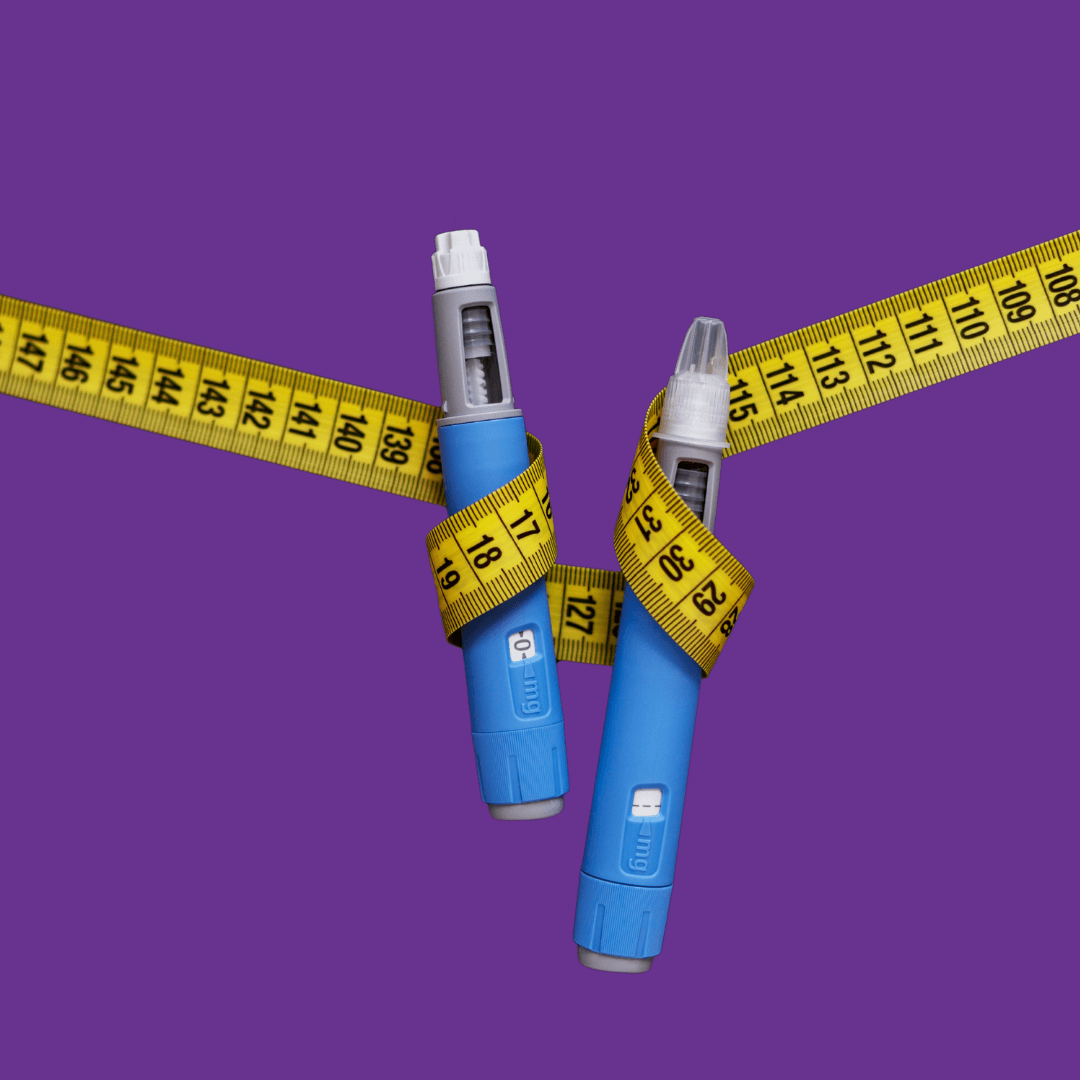
From our clinical library
Perimenopause and menopause often bring an array of troublesome symptoms to the daily lives of women; one of these being weight gain and/or the inability to lose weight like we could when we were younger! We share the scoop on GLP-1s.
Read article
From our clinical library
Menopause weight gain or “meno belly” is one of the most common (and annoying) changes women will experience as their hormones shift. We'll teach you how much protein you need to fight it off.
Read article
From our clinical library
Walking is an activity for almost everyone with a host of health benefits.
Read articleFurther reading
Explore trusted resources from other leading medical organizations to learn more.
Start with a conversation
Meet virtually with a menopause specialist to review your concerns, health history, and reasonable next steps.
Book a virtual visitMost major commercial insurance plans accepted.